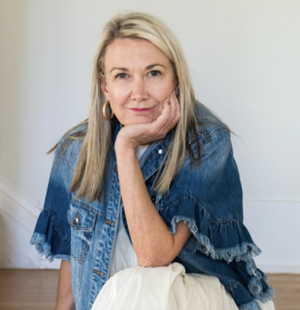
Headshots, Reality, and ChatGPT. Oh my.
So I have a serious question for those who know things.
I needed a quick headshot for something and I hated sending one from three years ago because, well… at my age time does not stand still. So I put on a bit more makeup than usual and took this shot of myself in some pretty good light. This is me. Unfiltered and untouched….and a bit tired to be honest. And perhaps I should have lined my lips a bit for definition.
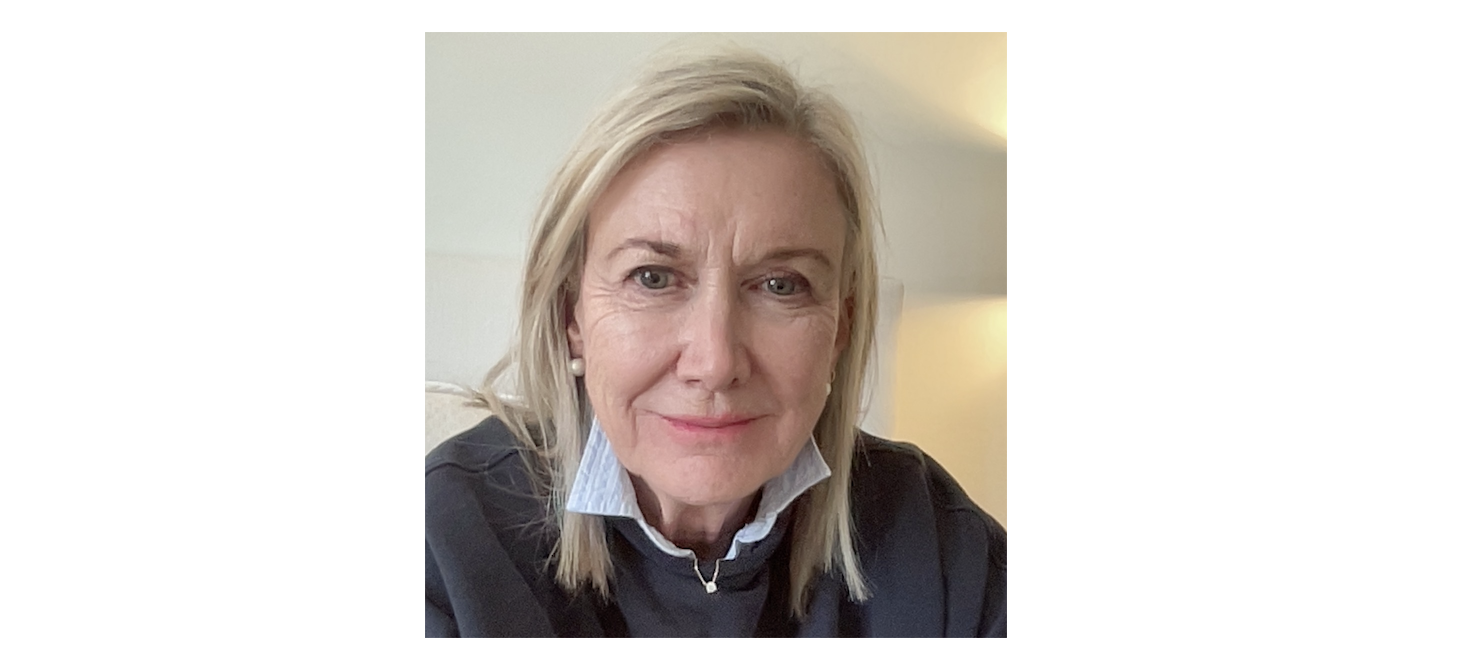
Certainly not a professional photo. At all.
So I asked ChatGPT to clean it up. That’s all I said.
“Clean this up so I can use it as a headshot.”
(And yes… I might need a bit of soft Botox between those brows. Geez.)
But really — that’s all I asked of this string of data string called AI.
And here was the result.
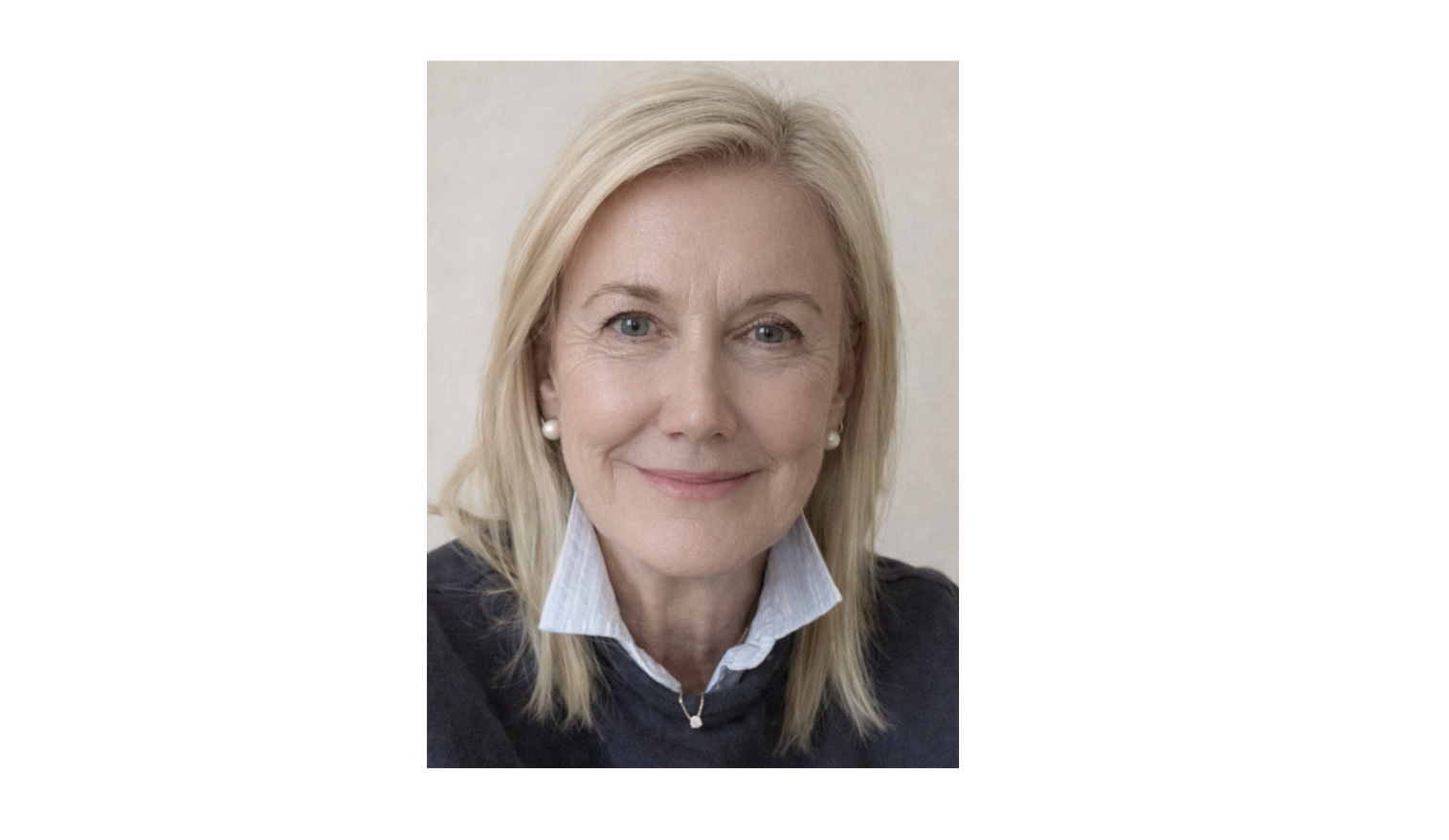
What just happened? Seriously this woman needs to be on Top Models after 60.
Now. I would be lying if I told you I like the raw one better.
But I have to. It’s ME I am talking about! And liking yourself just as you are is one of the secrets of a very happy life.
See what AI is doing to me? To us?
My shoulders are down — yes, maybe a good photographer would have said “Relax your shoulders.”
My smile is a wee bit softer — again, good photographers do that.
I’m talking to you Andrew and Libby.
But is it real? Does it still look like me on a really good hair and makeup day. Hmmmm.
I want to know what you think.
I know some of you beautiful young people are cleaning up photos like this all the time. Is it really any different than “loving on” a photo before AI? That is what we used to say. This portrait needs a little LOVE.
Let’s talk about this because I have to believe those of you creating things and doing design and branding are pondering this on some level. What about magazine editors? Have they been doing this all along?
Have you ever used an AI photo for a headshot and felt good about it? Or did it feel a little… strange? Do real photographers these days use AI to retouch and LOVE on headshots. Does anyone do headshots anymore?
Here’s what I discovered when doing some research after my little headshot experiment.
Apparently there’s a psychological reason this feels odd.
Researchers say that when we see an AI-improved photo of ourselves, our brains do three things at once.
First, we recognize ourselves.
Second, we notice the improvements — smoother skin, softer expression, better lighting.
And third, our brain quietly asks a question:
Is this still me?
That tension has a name: identity dissonance.
It’s the moment when the photo feels like you… but maybe a slightly better version of you.
Not fake exactly.
Just… polished. By the way, I know we have all seen some really bad photos of ourselves and said no way is that ME?
But that is a whole other topic.
Like I said before, photographers have always done some version of this touching up. Good lighting softens lines. A photographer might say “Drop your shoulders” or “Relax your face.” A little retouching used to happen quietly after the shoot. Maybe we had a professional makeup person on set. Because it helps.
AI just does it faster. Like so fast it made my head spin and I’m suddenly writing about it out loud to process it.
But the deeper question remains the same.
When does improving a photo stop being photography and start becoming fiction?
For me, the line seems to be this:
If the photo still feels like me on a really good day, I’m okay with it. Kinda. Sort of.
If it starts looking like someone I wish I were — that’s where I stop.
In the end, I went with the original photo.
Because time does move on. And this is the face I’ve earned.
Although I will say this: black and white helps. My prompt was simply “Make this black and white and DO NOT TOUCH A THING ABOUT MY FACE.”
Black and white is kind to all of us.
And maybe that’s the real lesson from this little hour I spent playing with AI.
Technology can polish an image. It can smooth a shadow or soften a wrinkle. But it can’t replace the life that created the face in the first place.
Those lines around my eyes came from laughter.
The ones between my brows came from worry and love and raising children and trying to figure out life. And I am not great at makeup when I hurty with it. Which I mostly do.
No algorithm can recreate that.
And maybe the real Sacred Pause (this title I lovingly call the phase I am in now) lesson in all of this is remembering that authenticity — in a world that can now manufacture perfection in SECONDS — might be the most beautiful thing we have left.
“Sacred Pause — slowing down long enough to notice what is real.” More to come.
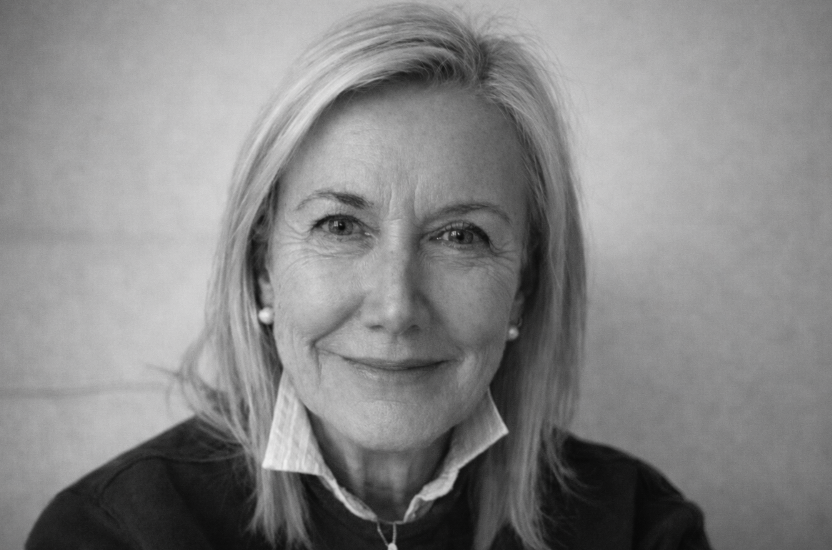
This is the real me. 68. And a little bit wrinkly. And perhaps I need to relax my shouldre all the time. Might be another secret to happy little life.